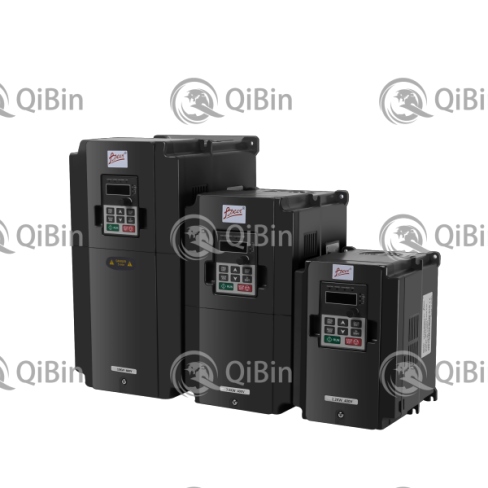
**Advancements in Solar Inverter Efficiency Herald a New Era in Renewable Energy**As the global push towards sustainable energy gains unprecedented momentum, innovations in solar technology continue to play a pivotal role in shaping the future of power generation. One critical component in this landscape is the solar inverter — the device responsible for converting the direct current (DC) generated by solar panels into alternating current (AC) used by homes and businesses. Recent advancements in solar inverter efficiency signal a breakthrough that promises to enhance energy yields, optimize system performance, and accelerate the adoption of solar power worldwide.**Boosting Solar Inverter Efficiency: A Game Changer**Solar inverter efficiency measures how effectively an inverter converts DC electricity into usable AC electricity. Traditionally, solar inverters achieved efficiencies ranging from 95% to 98%, with incremental improvements over the years. However, emerging technologies and innovative design strategies are pushing these boundaries, enabling inverter efficiencies to surpass previous limits.Increased inverter efficiency translates directly to higher energy output without additional solar panels or increased installation costs. This improvement means consumers and power producers can maximize the return on investment while reducing the carbon footprint associated with electricity generation. Furthermore, enhancements in inverter efficiency contribute to system reliability, minimize thermal losses, and support grid stability.**Technological Innovations Driving Efficiency Gains**Several key technologies contribute to the latest surge in solar inverter efficiencies:1. **Wide Bandgap Semiconductors:** Materials such as silicon carbide (SiC) and gallium nitride (GaN) are revolutionizing power electronics. These semiconductors exhibit superior electrical properties, allowing inverters to operate at higher voltages, frequencies, and temperatures while reducing energy losses significantly compared to traditional silicon-based components.2. **Advanced Cooling Systems:** Improved thermal management through innovative cooling solutions helps maintain optimal operating temperatures. Efficient heat dissipation reduces inverter downtime and extends operational lifespans, thereby maintaining peak efficiency levels over longer periods.3. **Smart Power Electronics Design:** Incorporating digital signal processors and sophisticated algorithms enables real-time monitoring and adaptive control of inverter operations. This intelligence allows for dynamic optimization based on environmental conditions, load requirements, and grid demands.4. **Modular and Scalable Architectures:** Designing inverters with modular components facilitates easier upgrades and maintenance, allowing for seamless integration of efficiency improvements and minimizing system downtime.**Industry Impact and Market Implications**The rise in solar inverter efficiency comes at a crucial juncture as global energy policies increasingly favor renewable sources. Enhanced inverters contribute to lowering the Levelized Cost of Energy (LCOE) from solar projects, making solar more competitive against fossil fuels. Utilities and independent power producers benefit from higher reliability and reduced operational expenditures, while end-users enjoy lower energy bills and improved system performance.Moreover, as energy storage solutions and smart grids become more prevalent, highly efficient solar inverters play an integral role in enabling these technologies. They ensure effective energy conversion and management, facilitating smoother integration of solar power into complex energy systems.**Company Introduction**{} is a leading innovator in the renewable energy sector, specializing in cutting-edge solar inverter technologies and comprehensive energy solutions. With a strong commitment to sustainability and technological excellence, the company has been at the forefront of delivering high-performance products that meet the rigorous demands of modern solar installations.Leveraging years of research and development, {} has pioneered advancements that push the boundaries of solar inverter efficiency. Its product portfolio embodies robust design, intelligent functionality, and reliability, tailored to serve residential, commercial, and utility-scale solar projects globally. The company's dedication to quality and customer-centric innovation has earned it a reputation as a trusted partner in the clean energy transition.{}’s team of experts collaborates closely with stakeholders to develop customized solutions that optimize energy harvest, enhance system longevity, and align with evolving industry standards. By integrating state-of-the-art components such as wide bandgap semiconductors and sophisticated control algorithms, {} ensures its inverters deliver superior performance under diverse operating conditions.**Looking Ahead: The Future of Solar Inverter Efficiency**As the renewable energy landscape evolves, the role of efficient solar inverters will only grow in significance. Continuous innovation driven by material science, electronics engineering, and software development is expected to yield even greater efficiency gains. Future inverter designs may feature enhanced grid interaction capabilities, improved energy storage compatibility, and smarter grid support functions.The commitment demonstrated by industry leaders like {} underscores the collective effort to accelerate the global energy transition. By focusing on inverter efficiency, these innovations not only support environmental goals but also empower consumers and businesses to harness solar energy more effectively and economically.In conclusion, the advancements in solar inverter efficiency mark an exciting milestone in renewable energy technology. With improved conversion rates, intelligent system integration, and robust performance, solar inverters are becoming ever more capable of meeting the demands of a clean, reliable, and affordable energy future. As companies continue to push the envelope, the promise of a sustainable world powered by solar energy moves closer to reality.
Read More